
If you are comparing fake vs authentic Waka, the most reliable method is to verify the 14-digit security code printed under the scratch layer on the outer box through Waka’s official authentication page. From there, packaging quality, flavor consistency, device performance, and where you bought it all add further confirmation.
Waka is one of the most counterfeited disposable vape brands in the UAE. Buyers across Dubai, Abu Dhabi, Sharjah, and Ajman regularly encounter fake units that look convincing in the hand but fail within a few sessions — or sometimes deliver a noticeably harsh, chemical taste from the very first puff.
This guide is for UAE buyers who already have a Waka device they want to verify, are about to purchase one online or in-store, or are looking at a suspicious unit and want a clear framework for checking it before use. You will get the full verification process, a practical red-flags checklist, model-specific checks, and clear guidance on where counterfeits typically appear in the UAE market.
Key Takeaways
- The 14-digit Waka verification code is the most reliable single authenticity check
- Manual code entry on the official site is safer than scanning the QR code alone
- Fake Waka vapes typically show blurry packaging, harsh flavour, weak vapour, and early battery failure
- Where you buy matters — most counterfeits in the UAE enter through informal and low-trust channels
- Verify before you use — once the device is open, the packaging often gets discarded
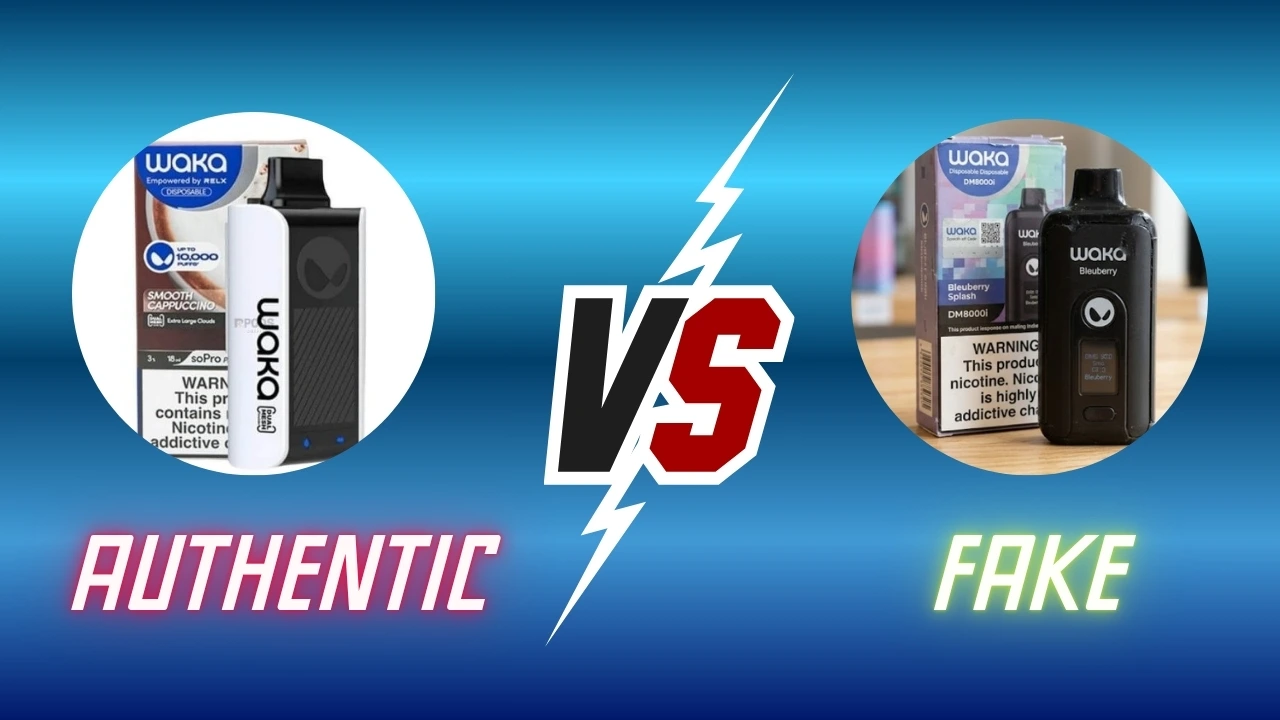
Fake vs Authentic Waka — Quick Answer
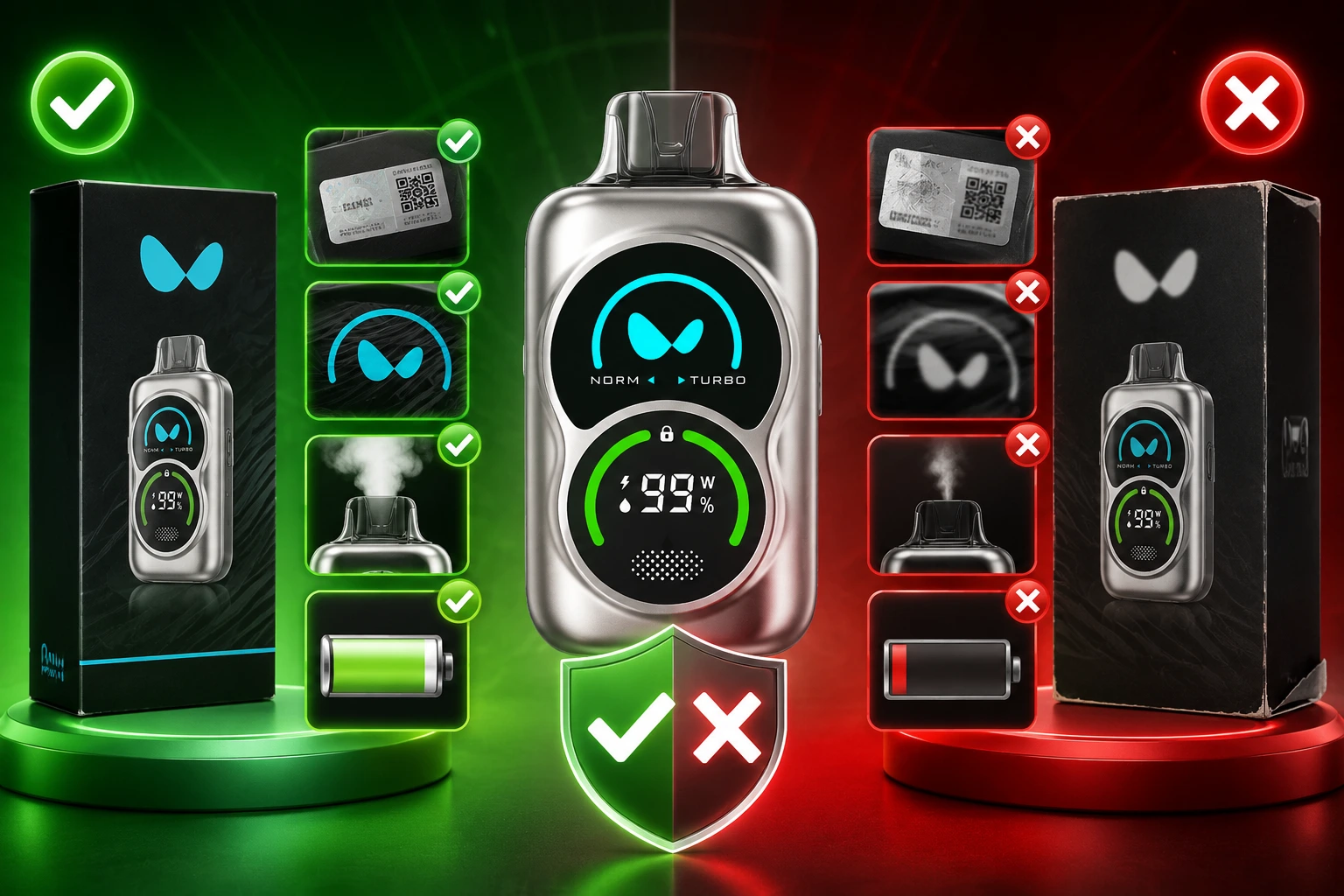
How to tell if a Waka vape is real
A Waka vape is most likely authentic if it has a valid 14-digit verification code on the outer box, passes the official Waka authentication check, has sharp packaging with no spelling errors or blurry print, delivers smooth and consistent flavour from the first puff, and was purchased from a trusted UAE vape retailer.
A fake Waka typically has an invalid or already-used code, weak or off-centre packaging print, harsh or chemical flavour, early battery failure, possible leaking, and often comes with a price noticeably below normal UAE retail.
If your device ticks the first set of criteria, you are likely holding a genuine product. If it matches the second set even partly, verify the code immediately and do not continue using it until you have confirmed authenticity.
Why Counterfeit Waka Vapes Are a Serious Problem
Waka’s reputation for consistent flavour, solid build quality, and reliable puff counts makes it one of the more copied brands in the UAE’s disposable vape market. Counterfeit manufacturers replicate the outer packaging at low cost, then fill the unit with whatever components and e-liquid they have available — none of which goes through quality testing.
The risks from counterfeit disposable vapes are practical, not theoretical:
- Unregulated e-liquid ingredients with unknown additives or contaminants
- Poor coil quality that burns unevenly or degrades within a short period
- Inconsistent nicotine delivery — far more or far less than the label states
- Substandard battery cells without proper overcharge or short-circuit protection
- Poor assembly that leads to leaking, gurgling, or structural failures
- No quality control at any stage of production
The framing here is simple: counterfeit products may pose risks because they are not subject to the same quality control and verification standards as genuine products. That is enough reason to verify before use.
7 Quick Red Flags That Your Waka Might Be Fake
If you want a fast diagnostic before going through the full verification process, check these seven signs first. Any one of them is worth taking seriously.
- The 14-digit code fails on the official Waka authentication page
- The code shows previous verification attempts on a device you bought as new
- The box print looks slightly blurry, faded, or off-colour compared to normal Waka packaging
- The hologram is missing, dull, or misaligned — genuine units have a clear, shifting holographic finish
- The vape tastes burnt, metallic, or chemical from the very first puff
- The battery drains far faster than the rated puff count would suggest
- The seller offered a price significantly below normal UAE retail, with no clear explanation
If two or more of these apply, stop using the device and verify the security code immediately.
How to Verify a Waka Vape Step by Step
This is the core of the authenticity check process. Follow these steps in order.
Step 1 — Locate the authentication sticker
Check the outer packaging — typically on the back or bottom panel. There will be a small security sticker, sometimes marked with “scratch here” text or a similar indicator.
Step 2 — Scratch the coating carefully
Use a coin or fingernail to remove the protective silver layer. Work gently to avoid scratching the digits underneath.
Step 3 — Note the 14-digit security code
Once the coating is removed, the alphanumeric or numeric code is visible. Write it down or keep the box nearby before navigating to the verification page.
Step 4 — Go to Waka’s official authentication page
Open your browser and navigate directly to Waka’s official website. Use only the official URL — do not use third-party verification sites or links shared on social media.
Step 5 — Enter the code manually
Type the code in manually rather than relying on the QR code. This step matters. Counterfeit packaging sometimes uses QR codes that redirect to fake verification pages designed to return a false “authentic” result. Manual entry on the real website is the safer route.
Step 6 — Read the verification result
A genuine device returns a clear verification success message. Many systems will also flag if the code has been previously checked — if your newly purchased device shows prior verification history, that is a serious concern.
Step 7 — If verification fails, stop using the device
Do not continue using a device with a failed or suspicious code. Keep the box and sticker intact, then contact the seller directly. If the seller is unresponsive or dismissive, that tells you something important about where the product came from.
Fake vs Authentic Waka — Side-by-Side Comparison
| Feature | Authentic Waka | Fake Waka |
| Security code | Present and pass verification for the first time | Missing, invalid, or shows prior use |
| Authentication result | Clean pass, first-time check | Fails, errors, or indicates repeated scanning |
| Packaging print quality | Sharp, consistent, professional | Blurry, faded, or slightly off |
| Label text and spelling | Accurate with no errors | May contain typos or missing text |
| Holographic details | Clear, reflective, properly aligned | Dull, misaligned, or absent |
| Nicotine labelling/compliance text | Clear and consistent with packaging standards | Missing, vague, or poorly reproduced |
| Flavor consistency | Smooth and consistent from the first puff | Harsh, chemical, metallic, or burnt |
| Vapor production | Full and steady | Weak, thin, or inconsistent |
| Throat hit | Smooth and as expected for the nicotine level | Overly harsh or barely noticeable |
| Battery life | Performs close to the rated puff count | Drains significantly faster than expected |
| LED and activation | Steady and normal | Unexpected flashing or no response |
| Device build quality | Solid, no rattling or loose parts | Loose internals, rattling components |
| Leak resistance | Properly sealed, no leaking | May leak from the mouthpiece or base |
| Retail source confidence | Sold by known UAE retailers with clear support | Often from informal or low-trust channels |
| Purchase pricing | Consistent with the UAE market pricing | Suspiciously low with no explanation |
Packaging Signs That a Waka Might Be Fake
Packaging is where most counterfeiters cut corners first. Inspecting it carefully before opening can catch many fakes without ever needing to power the device on.
Blurry or inconsistent print. Genuine Waka packaging is professionally printed with sharp text and graphics. If anything looks slightly out of focus or low-resolution, that is a warning sign.
Off-centre logos or misaligned labels. Authentic packaging is precisely placed. Noticeable misalignment on the logo, branding text, or label edges is worth investigating further.
Spelling mistakes or grammatical errors. Fake packaging often contains subtle errors in small-print areas — health warnings, manufacturer details, product descriptions. Read these sections carefully.
Weak or missing holographic detail. Real Waka products use quality holograms that shift visibly under light. A flat, dull, or absent hologram on a supposedly genuine box is a clear indicator of a copy.
Missing batch details or required regulatory text. Genuine products sold in the UAE carry proper health warnings and batch information. If the required text is absent or poorly reproduced, treat the product with caution.
Poor lamination or flimsy box feel. Authentic Waka boxes have a solid, well-finished feel. Fake versions often feel thinner, with lamination that bubbles or peels at the corners.
Important note: Packaging alone cannot confirm authenticity. Some counterfeit units copy branding convincingly enough to pass a quick visual check. This is precisely why the verification code matters more than appearance on its own.
Performance Signs That Suggest a Counterfeit Waka
Even when the packaging looks acceptable, a fake device usually reveals itself once you start using it.
Burnt or chemical taste from the first puff. A genuine Waka delivers clean, smooth flavor immediately. If the first draw tastes burnt, metallic, or strongly chemical, the coil or e-liquid quality is substandard.
Harsh or inconsistent draw. Authentic devices have controlled, predictable airflow. A very tight or very loose draw that does not match what you would expect from the model suggests poor assembly.
Weak vapor production. Counterfeit units often use lower-powered components. If output is thin and underwhelming compared to the device’s stated specs, the internals are not up to a genuine standard.
Battery dying far too early. A device rated for 10,000 or 25,000 puffs that starts failing after a fraction of that count has low-quality battery cells inside — not the grade used in genuine units.
Leaking or gurgling. Poor sealing is a common failure point in fakes. Liquid coming from the mouthpiece or base of a new device points to low-quality assembly.
Unexpected blinking or activation failures. Irregular LED behaviour or a device that randomly stops activating suggests low-quality electronics and inconsistent build standards.
Can a Fake Waka Still Look Real?
Yes — and this is one of the most important things to understand about counterfeit disposable vapes in the UAE.
Some fake Waka units are visually convincing. The packaging dimensions are correct. The colour scheme is close. The text on the box is mostly accurate. If you glance at it quickly, it passes.
This happens because counterfeit manufacturers are getting better at copying outer packaging. The areas they consistently fail at are the internals — the e-liquid quality, the coil material, the battery cells, and most importantly, the security code system.
A fake Waka can turn on. It can produce vapor. It can even taste acceptable for the first few puffs before performance drops. The fact that a device appears to work is not proof that it is genuine.
This is why the verification code check must come first — before you open the device, before you judge the packaging, and before you take a single puff. Appearance-based checks alone are not enough when counterfeiting has reached a level where basic visual cues are increasingly unreliable.
Common Mistakes Buyers Make When Checking Waka Authenticity
Trusting the QR code alone. QR codes on counterfeit packaging can redirect to fake verification pages that return a false positive. Always enter the code manually on the official Waka website.
Skipping the packaging check because the device works. Working does not mean genuine. A fake device can activate, produce vapor, and feel reasonable — especially in the first few uses.
Buying from informal sellers because the price is lower. A significant discount from an unverified source has to come from somewhere. With disposable vapes, that gap is almost always product quality or authenticity.
Not checking until after the device has been opened. Once opened, the box often gets discarded along with the verification sticker. Verify before you open.
Assuming a physical store location means the product is trustworthy. Location is not a proxy for legitimacy. Established, knowledgeable retailers are reliable — not any store that happens to stock vapes.
Where Fake Waka Vapes Usually Show Up in the UAE
Understanding where counterfeits enter the market helps you avoid them before the purchase happens.
Instagram and WhatsApp sellers. Informal social media resellers operating without a verified store or return policy are a common source of fake disposable vapes in Dubai, Sharjah, and Abu Dhabi. No physical address, no clear product knowledge, and no after-sales support are consistent patterns.
Unverified online marketplace listings. Listings on general marketplaces with heavily discounted pricing, vague product descriptions, and no brand verification are high-risk. The lower the price relative to known retailers, the higher the risk.
Small kiosks or pop-up resellers without product knowledge. If the person selling cannot explain the puff count, nicotine level, or model differences between Waka devices, they likely did not source the product through official channels.
Bulk discount or clearance offers. Genuine Waka products have consistent retail pricing. Bulk deals, “clearance” pricing, or stock offered at significantly below-market rates are common fronts for counterfeit units.
Sellers with no return policy or support contact. Any seller who cannot tell you what happens if you receive a faulty or suspicious product is not a retailer you want to rely on for genuine products.
In UAE’s vape market, authentic products are widely available from reputable stores. The counterfeits largely exist in channels where price is the primary selling point and accountability is low.
How to Check If Popular Waka Models Are Authentic
Buyers often want to verify a specific Waka device they already have or are about to purchase. The core verification process is the same across models, but here is what to focus on for the two most commonly purchased units in UAE.
How to verify a Waka PA25000
The Waka PA25000 Puffs Disposable Vape 50mg is one of Waka’s flagship high-puff-count devices, which also makes it a frequent target for counterfeiting.
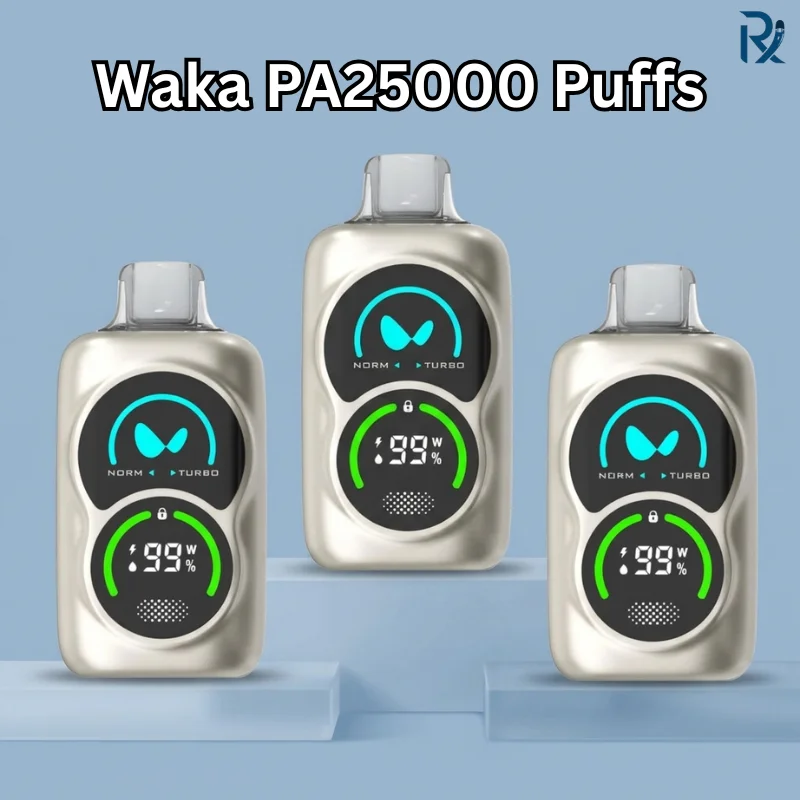
- Locate the security sticker on the outer box — back or bottom panel
- Scratch carefully to reveal the full 14-digit code
- Enter manually on the official Waka authentication page
- Packaging check: the box should feel solid with clean print, a working hologram, and all required text, including puff count, nicotine level, and health warnings
- Performance check: at 50mg nicotine and a high puff rating, a genuine PA25000 delivers consistent, full-bodied vapor throughout its life — not just in the first few sessions
- Red flag: if the device begins underperforming or the flavor weakens significantly well before the stated puff count, the battery or e-liquid quality is not genuine spec
How to verify a WAKA Sopro 10000
The WAKA Sopro 10000 Puff Disposable Vape is a popular mid-range Waka model and is similarly copied across the UAE.
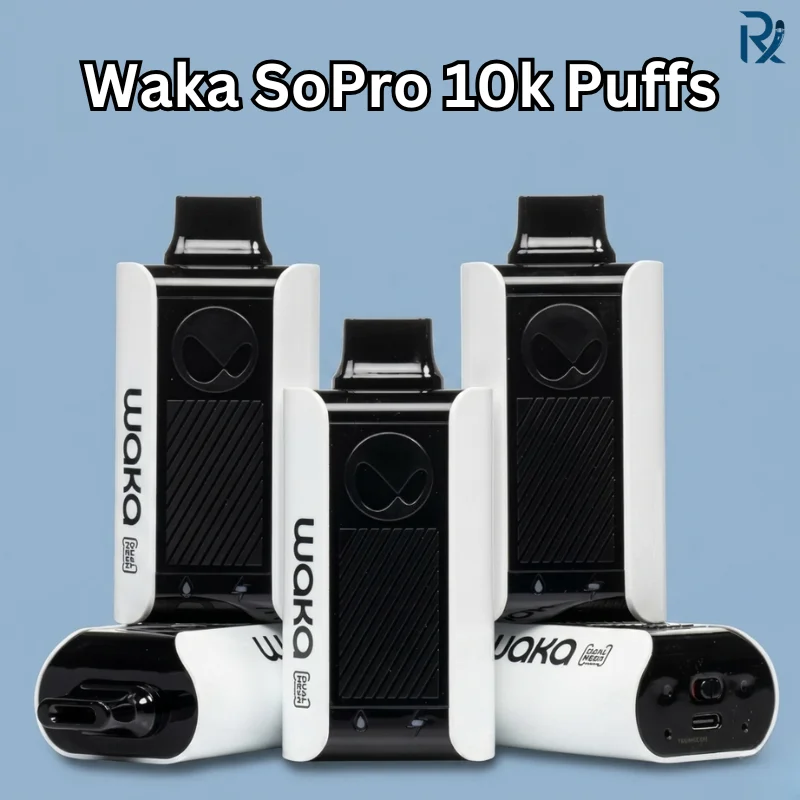
- The same code verification process applies — scratch the sticker, enter the 14-digit code manually
- Packaging check: the Sopro 10000 has distinctive packaging — any blurring of the model name, logo placement, or spec text is a concern
- Performance check: the device should provide smooth, consistent draws across its full rated puff count with no significant flavor drop-off until the e-liquid is genuinely depleted
- Red flag: gurgling sounds on new units, weak vapor from the start, or unusually fast battery drainage all suggest a counterfeit version of this model
For both models, buying from a verified UAE retailer before you even need to run the verification check is the most reliable starting point.
What to Do If You Think Your Waka Is Fake
Stop using the device immediately. Set it aside and do not take further puffs while you investigate.
Keep all packaging intact. The box, security sticker, and any receipts or order screenshots are your evidence. Do not discard anything.
Contact the seller directly. Explain the failed verification or the specific issue you found. A legitimate retailer will take counterfeit concerns seriously and offer a replacement or refund.
Compare against the official product page. Check the product listing on a verified retailer’s website or the brand’s official page and compare packaging details against what you are holding.
Report the product if the seller is unresponsive. If a seller refuses to engage with a genuine counterfeit concern, consider reporting the listing or store. Other UAE buyers may be purchasing from the same source.
Switch to a verified seller going forward. This is the most effective long-term solution. One purchase from a trusted source removes most of the risk that requires this kind of post-purchase verification.
What to Check Before Throwing Away the Box
Many buyers verify their device only after something goes wrong — which is too late if the packaging has already been discarded. This is a practical checklist to run through before you dispose of anything.
- Verify the code before first use. Scratch, enter, confirm. It takes two minutes.
- Keep the box until you have tested the device. Do not throw it away after opening.
- Keep the security sticker visible. If you need to return the device or raise a complaint, the sticker is your primary evidence.
- Photograph the packaging if you bought multiple units. This helps you match any issues to a specific box later.
- Save your receipt or order screenshot if you bought online. A digital record of where and when you bought is useful if you need to escalate.
This is a small habit that protects you significantly. Most buyers who encounter counterfeit issues wish they had kept the packaging.
Where to Buy Authentic Waka in the UAE
The single most effective counterfeit prevention strategy is choosing where you buy carefully. Verification codes exist because the market has unreliable channels. A trusted retailer makes the entire post-purchase check process much less necessary.
A few practical guidelines for buying Waka in the UAE:
Buy from established vape retailers with a clear product catalogue, consistent pricing, and verifiable contact information. A good retailer can answer product questions directly — puff count, nicotine level, available flavors, and what to do if you have an issue.
Check the packaging before leaving the store or, for online orders, before opening the device. Raise any concerns with the seller immediately.
Avoid significantly discounted offers from informal sources. Waka has consistent UAE retail pricing. A large discount from an unofficial source is a risk signal, not a deal.
Look for sellers with a clear return or exchange process. A retailer confident in their product’s authenticity will have no issue with this.
If you are looking for popular Waka models from a reliable source, Authentic Vape Dubai stocks verified products for buyers across the UAE. You can find the Waka PA25000 Puffs Disposable Vape 50mg and WAKA Sopro 10000 Puff Disposable Vape directly, or browse the wider collection of disposable vape devices for other verified options.
Final Verdict
The 14-digit security code, verified manually on Waka’s official authentication page, is your strongest single tool. No packaging check alone replaces it, and a device that looks right but fails verification should not be used.
That said, the full picture combines several checks: where you bought the device, how the packaging looks and feels, what the flavor and vapor quality are like from the first draw, and how battery performance holds across the device’s life. No single check is foolproof on its own — but together they give you a clear picture.
In the UAE, counterfeits exist because popular products create a market for copies. The brands most worth counterfeiting are the ones buyers trust most. Waka falls into that category, which is both a reflection of the brand’s quality and a reason to stay careful about sourcing.
Verify before you vape. Buy from sellers you can hold accountable. And if any of the red flags in this guide apply to your device, stop using it and investigate rather than assuming it will be fine.
FAQ
How do I know if my Waka vape is real?
Scratch the security sticker on the outer packaging to reveal the 14-digit code, then enter it manually on Waka’s official authentication page. A genuine device passes verification on the first attempt with no prior check history. Also, confirm packaging quality, flavor consistency, and that the seller is a trusted UAE retailer.
Where is the Waka verification code located?
The authentication sticker is on the outer packaging — typically on the back or bottom panel of the box. Scratch the protective coating carefully to reveal the 14-digit code underneath.
What if the Waka security code does not work?
Stop using the device. Keep the box and receipt, then contact the seller immediately. A legitimate retailer will offer a replacement or refund. A failed or invalid code on a device you bought new is a strong indicator of a counterfeit.
Can a fake Waka still produce vapor?
Yes. Many counterfeit devices activate and produce vapor, sometimes convincingly in the first few sessions. A device that works is not confirmed as genuine. Verify the security code regardless of whether the device functions.
Is it safe to use a counterfeit Waka vape?
Counterfeit disposable vapes are made without quality control or regulated ingredient standards. They may contain unknown e-liquid additives, poor-quality coils, inconsistent nicotine levels, and substandard battery components. These are risks that verified genuine products do not carry.
Why does my Waka taste burnt immediately after opening?
A harsh, burnt, or chemical taste on a brand-new device is one of the clearest performance signs of a counterfeit. Genuine Waka units deliver clean, consistent flavor from the first draw. This indicates low-quality coil material or substandard e-liquid.
Should I trust the QR code on Waka packaging?
Not on its own. Counterfeit packaging can include QR codes that redirect to fake verification pages designed to return a false “authentic” result. Always enter the 14-digit code manually on the official Waka website.
How can I buy an authentic Waka in Dubai?
Buy from established, verified UAE vape retailers rather than informal marketplace sellers or sources with unusually low pricing. Check the packaging before use and verify the security code before taking the first puff.
Are fake Waka vapes common in the UAE?
Counterfeiting of popular disposable vape brands is a known issue across UAE markets, particularly through informal channels, social media sellers, and unverified online listings. Buying from reputable retailers and running the security code check significantly reduces your exposure.
What is the difference between the original Waka and the fake Waka packaging?
Genuine Waka packaging has sharp, consistent printing, properly aligned branding, a clear and responsive hologram, accurate text with no errors, and a solid box with quality lamination. Fake packaging typically has blurry print, misaligned logos, weak holograms, minor text errors, and a cheaper feel overall.
Can a Waka verification code be copied?
In some cases, counterfeiters reuse or copy codes from genuine units and apply them to fake packaging. If you verify a device and the system shows the code was already used — even though you bought the device as new and the sticker appeared untouched — treat it as a strong counterfeit indicator and contact the seller.
Why does a fake Waka sometimes taste normal at first?
Some counterfeit units use e-liquid that is acceptable in the first few puffs before quality drops off. Initial taste is not a reliable test. Consistency across the full puff count, alongside the security code check, is a far better measure of authenticity.
Can I verify a Waka without the box?
Without the outer packaging and security sticker, code-based verification is not possible. You would need to rely on seller credibility, device feel, and performance indicators — but certainty is significantly lower. This is why keeping the box until you have tested the device is always the better approach.